Personalized Patient Education Software
Provide personalized, digital patient education from diagnosis to recovery
Empower patients with customized patient education modules
Turn patients into care partners by providing them with timely and relevant information throughout the patient journey
How Our Patient Education System Works
Leverage our on-demand content library
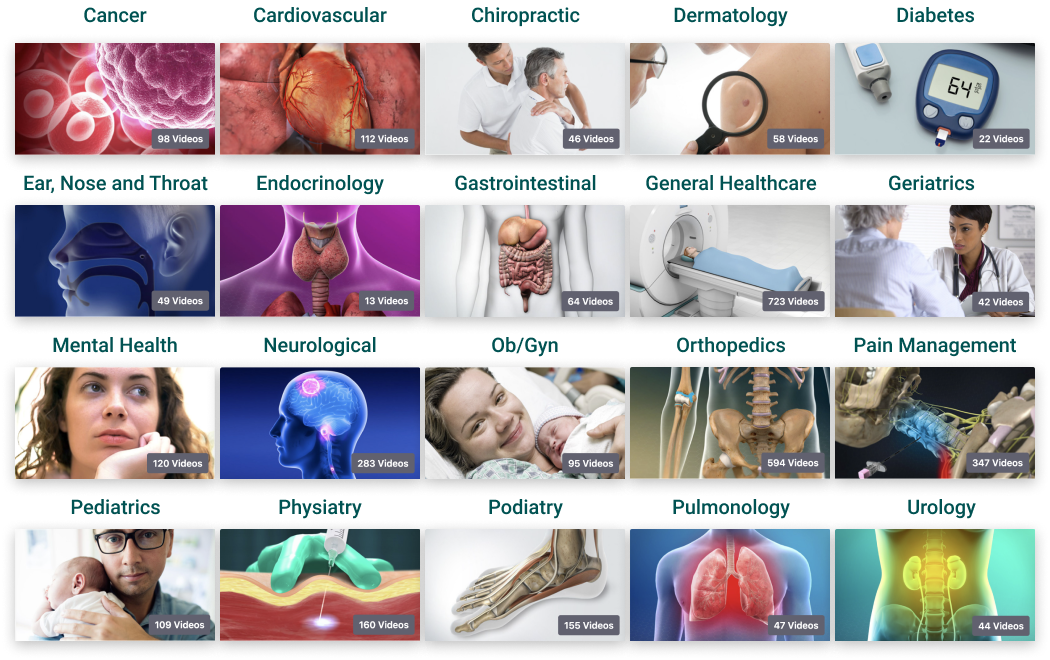
Choose from over 1900 diagnosis and procedure-specific educational videos to build into patient-specific pathways
Customize education modules to fit your practice
Create your own educational content to embed within the PatientIQ platform for a seamless patient experience
Deliver education content along with outcomes surveys
Customize care pathways to include both care-specific education and patient-reported outcomes surveys to maximize patient compliance
Why Patient Education Matters
Providing patients with relevant, personalized education will foster a strong care team connection, reduce anxiety, and head-off frequently asked questions
-
Patients that feel a strong connection to their care team are more likely to be highly satisfied with their care
-
Clearly articulating information about a patient journey can go a long way towards calming patient nerves
-
Automating the distribution of patient education modules saves time during appointments and consultations by answer patient questions before they even arise

Patient Education FAQs
-
Why is patient education important?
Patient education helps individuals understand their condition, prepare for care, and recover more effectively. Well-informed patients are more engaged, more confident in managing their health, and more likely to experience better outcomes and higher satisfaction.
-
What should be included in patient education?
Effective patient education includes procedure- or condition-specific information, recovery expectations, medication guidance, and instructions for symptom monitoring. When education is connected to the EHR, it can be automatically tailored and delivered based on a patient’s diagnosis, procedure, and care pathway. Digital tools, such as those offered by PatientIQ, use EHR integrations to ensure patients receive the right education at the right time—improving comprehension, adherence, and overall outcomes.
-
What are examples of patient education?
Examples include pre-procedure preparation materials, post-operative recovery plans, condition-specific education such as joint replacement or spine care, and reminders for follow-up activities. These resources can be delivered digitally to reinforce care beyond the clinic visit.
-
How does patient education improve health outcomes?
Patient education improves health outcomes by helping patients understand their condition, follow care plans, recognize concerning symptoms early, and engage more actively in their recovery. When paired with patient-reported outcomes (PROs), education becomes more targeted and responsive, PRO data highlights how patients are actually feeling, allowing care teams to adjust educational content and outreach based on reported pain, function, or symptoms. This feedback loop enables earlier intervention, more personalized support, and better overall outcomes.

-
What are the barriers to patient education?
Common barriers include limited time during clinical visits, inconsistent or outdated materials, varying levels of health literacy, and technology access challenges. Addressing these barriers requires scalable, user-friendly tools that integrate seamlessly into clinical workflows, capabilities built into PatientIQ’s platform.
Who we work with
+0
Healthcare Organizations
+0
Healthcare Providers
0M
Patients Enrolled