
Transforming ASR Participation with PatientIQ
PatientIQ automates ASR participation—eliminating manual tasks, integrating with EHRs, and unlocking insights to improve spine care and patient...
2 min read
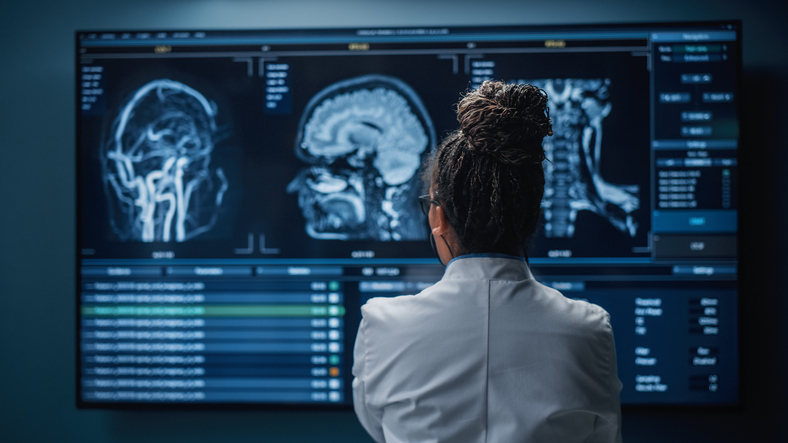
PatientIQ helps neuro teams collect validated PROs at scale, automate workflows, and surface real time insights directly within the clinical workflow.
Neuro programs need outcome data that reflects functional change and patient quality of life, not only imaging or clinical observation.
With integrated tools for patient education, satisfaction tracking, and reporting, organizations can build a complete, actionable picture of neurologic care.
Neuro care depends on understanding how patients function over time. Many neurologic conditions involve fluctuating symptoms, inconsistent treatment response, and long term effects that are difficult to measure with imaging or diagnostic testing alone. Patients with multiple sclerosis (MS), epilepsy, Parkinson disease, neuropathy, headache disorders, and stroke recovery often experience day to day changes that clinicians need visibility into.
Organizations that already use PatientIQ in orthopaedics are expanding that same outcomes capture framework into neuro. The goal is to measure what matters for brain and nerve health and give clinicians clearer insight into patient progress, recovery patterns, and quality of life.
Across neurological conditions, functional status and symptom progression shape nearly every care decision. PROs offer a structured and reliable way to capture what clinicians cannot observe at the point of care, including:
Fluctuating symptoms such as fatigue, sensory changes, and cognitive challenges
Limitations in physical function and daily living
Emotional well being and caregiver burden
Treatment response over time, especially for chronic conditions
Because many neuro specialties rely on continuous monitoring, PROs provide an important signal between visits. They reveal how patients are doing on a day-to-day basis and help clinicians understand whether symptoms are improving, stabilizing, or worsening.
Manual surveys and inconsistent collection methods often fall short in capturing the full patient experience. PatientIQ automates enrollment through the EHR, allowing teams to collect neuro specific PROs at scale and evaluate how patients are doing at any stage of their care journey.
With real time dashboards and workflow embedded alerts, clinicians gain visibility into trends that inform treatment decisions, follow up timing, and multidisciplinary coordination.
Patients managing neurologic conditions often face uncertainty around symptoms, treatment expectations, and recovery timelines. PatientIQ delivers targeted education tailored to diagnoses such as MS, epilepsy, and stroke rehabilitation. Care teams can:
Share targeted content based on diagnosis or treatment plan
Schedule delivery automatically within clinical workflows
Reinforce understanding, improve adherence, and set clearer expectations for recovery
For many neuro and neurosurgery programs, registry participation is becoming an increasingly important part of quality reporting, research, and clinical improvement. PatientIQ already supports the American Spine Registry (ASR), a joint initiative of the American Association of Neurological Surgeons (AANS) and the American Academy of Orthopaedic Surgeons (AAOS). The ASR has been a key entry point for PatientIQ within neuro, demonstrating our ability to help programs collect high quality data that aligns with national standards.
Through PatientIQ, organizations submit standardized clinical and patient reported outcomes directly to the ASR with less manual effort. PROs are mapped to the appropriate data elements, validated against registry requirements, and organized into structured formats suitable for both clinical and research use. Programs gain a more complete view of patient recovery, symptom progression, and quality of life, which can be used to benchmark performance, support academic output, and strengthen quality initiatives.
Because the ASR spans both orthopaedics and neurosurgery, health systems are beginning to use PatientIQ to create unified outcomes infrastructure across spine, neuro, and related service lines. This saves time for clinicians, reduces duplicative workflows, and ensures outcomes are captured consistently across shared populations.
A world class neuro outcomes program requires more than survey delivery. PatientIQ surfaces PRO insights directly within the clinical workflow so neurologists can see functional changes at a glance. These continuous, patient centered signals make it easier to tailor care, intervene sooner, and guide decisions based on the patient's perspective.
If your organization is ready to advance its outcomes strategy in neuro, PatientIQ provides the foundation for a unified, scalable measurement framework.

PatientIQ automates ASR participation—eliminating manual tasks, integrating with EHRs, and unlocking insights to improve spine care and patient...
Learn how Dr. Grant Garrigues and PatientIQ are making AAOS Shoulder & Elbow Registry participation easier—and improving outcomes in shoulder care.
.png)
Discover how PatientIQ's Marketplace Partners program enhances orthopaedic recovery by integrating trusted resources into digital care pathways for...